
How to Choose a Care Home in 2026: A Calm Guide for Families
Choosing a care home is one of the most tender decisions a family can make. In 2026 there is more information than ever at your fingertips — yet the choice still comes down to something simple: will your loved one feel safe, respected and at home?
The good news is that a calm, methodical approach takes much of the worry out of the search. Start early if you can, involve your loved one in every step, and trust both the evidence and your instincts.
Begin with needs, not buildings
Before looking at a single brochure, write down what daily life must provide: help with washing and dressing, nursing care, dementia support, or simply companionship and good food. A home that is perfect for one person may be wrong for another, so let needs — not glossy photos — lead the search.
Think ahead, too. Needs often grow over time, and a home that can offer both residential and nursing care spares your loved one a second, harder move later on.
Read the inspection reports
In England, the Care Quality Commission (CQC) inspects every registered home and publishes plain-language reports. Look beyond the headline rating to what inspectors say about dignity, safety and how the home responds when things go wrong. A "good" home with warm, specific praise often outshines an "outstanding" one with caveats.
What to compare, side by side
| Question | Why it matters in 2026 |
|---|---|
| What care types are offered? | Can the home adapt if needs increase, avoiding a disruptive move? |
| What is the latest CQC rating? | An independent view of safety, dignity and leadership. |
| What are the weekly fees, and what is included? | Transparent pricing prevents difficult surprises later. |
| How stable is the staff team? | Familiar faces build trust; high turnover is a quiet warning sign. |
| Can residents bring furniture and pets? | Personal belongings turn a room into a home. |
| How are families kept involved? | Open visiting and regular updates show a home with nothing to hide. |
Visit — and then visit again
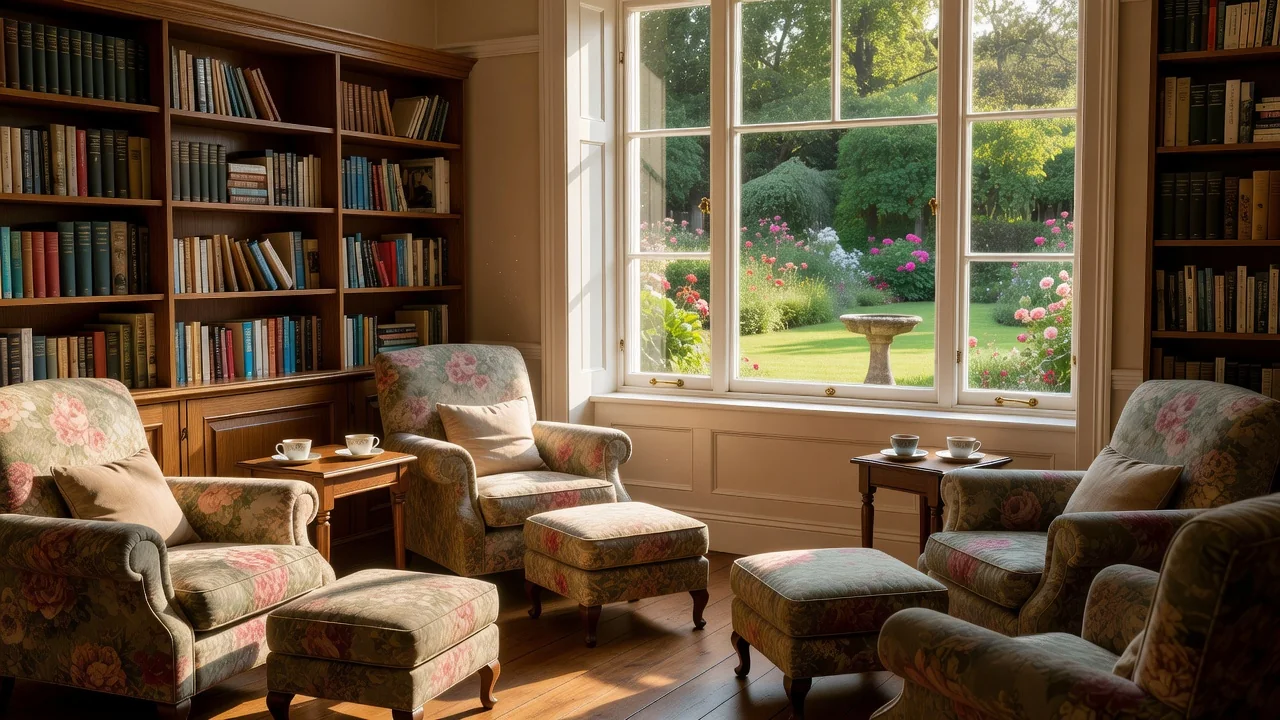
Nothing replaces time spent in the building. Drop in at different hours: mornings show you the rhythm of care, while a teatime visit reveals the atmosphere when the day winds down. Notice whether staff greet residents by name, whether call bells are answered promptly, and whether the lounges smell of fresh coffee rather than air freshener.
Ask to stay for lunch if you can. Food is one of life's great pleasures, and a home that takes pride in its kitchen usually takes pride in everything else too.
Understand the money, gently but clearly
Ask for a written breakdown of fees, what happens if savings run low, and how the local authority's funding thresholds might apply to your family. A good home will explain all of this patiently, in plain English, without pressure.
Trust the feeling in your chest
After the checklists are done, sit quietly in the garden or lounge and simply watch. Do residents seem content? Do staff laugh with them, not just work around them? The right home rarely feels perfect on paper — it feels warm in person. When you find that warmth, you are almost certainly in the right place.