
What to Ask on a Care Home Tour
A care home tour is your chance to look behind the brochure. The building will be tidy and the welcome warm — but the questions you ask, and the small things you notice while you walk, tell you what daily life there is really like.
Go armed with a short list, take your time, and do not be afraid to ask anything twice. A good home will welcome every question; a hesitant answer is information too.
Questions about care
- How do you build a care plan, and how often is it reviewed with the family?
- What happens at night — how many staff are on duty, and how are call bells answered?
- Can the home support my loved one if their needs increase, including nursing or dementia care?
- How are medicines managed, and how would we hear about a fall or a change in health?
- Which GP and local services support the home?
Questions about daily life
Care keeps someone safe; life makes them glad to be there. Ask what a typical Tuesday looks like: the activities on offer, whether residents can lie in or rise early, and how personal routines — a morning paper, a particular brand of tea — are honoured.
Ask to see the menu and, if you can, stay for a meal. Notice whether residents are chatting over lunch or eating in silence, and whether staff sit down with them or hurry past.
Questions about money and the fine print
| Ask | Listen for |
|---|---|
| What is the weekly fee, exactly? | A clear figure in writing, not a range "depending on needs". |
| What is included — and what costs extra? | Hairdressing, toiletries, outings and newspapers are common extras. |
| How often do fees rise, and how much notice is given? | An annual review with reasonable notice is normal. |
| What happens if funding runs out? | A caring answer about working with the council, not pressure. |
| What is the trial period or notice period? | Most good homes offer a settling-in trial of several weeks. |
Questions about the people
Ask how long the manager has been in post and how long the carers have worked there. In a good home, staff stay — because they are valued — and that continuity shows in the way they greet residents by name as you walk around.
Ask about training, especially in dementia care, and whether the same small team of carers will look after your loved one each day rather than a rotation of strangers.
What to notice while you walk
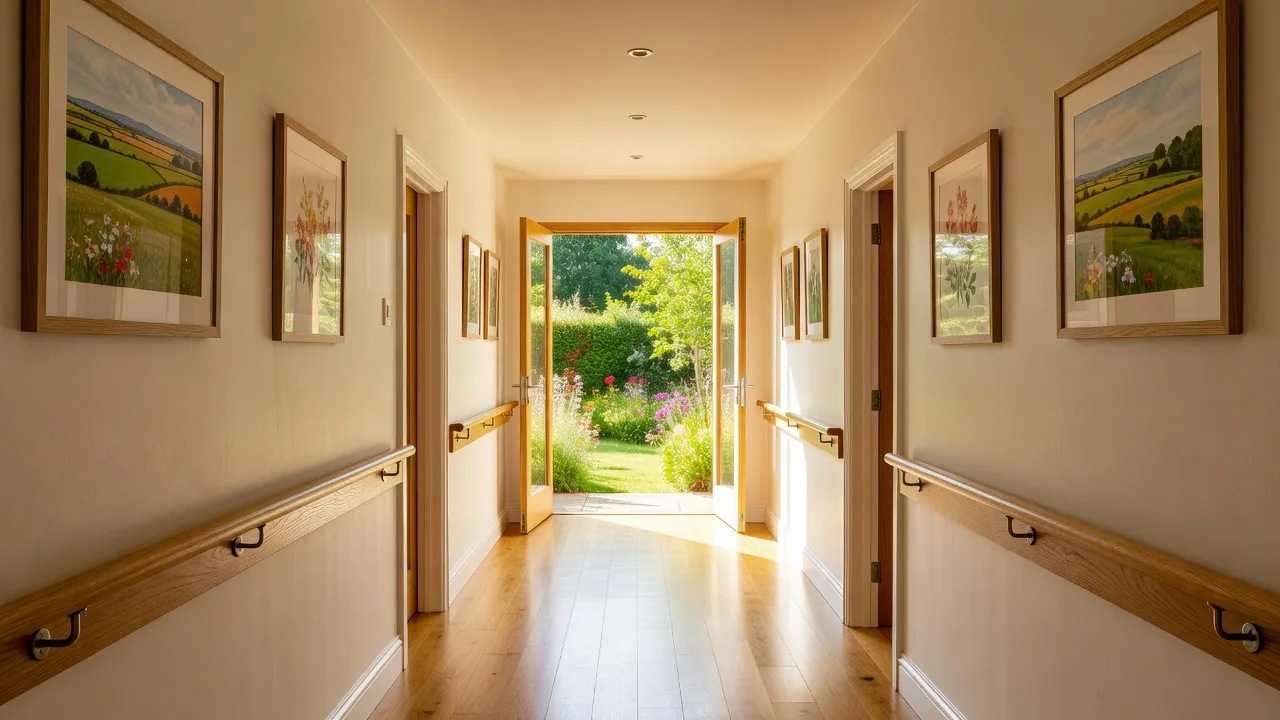
Trust your senses. Does the home smell fresh? Are call bells ringing unanswered? Do residents look engaged and comfortable, dressed well in their own clothes? Are bedrooms personalised with photographs and favourite chairs, or identical and bare?
Glance into the garden — accessible outdoor space matters enormously to wellbeing — and notice whether doors residents might wander through are managed with dignity rather than locks and signs.
Before you leave
Ask for the latest CQC report, a written fee sheet and a copy of the contract to read at home, unhurried. Then visit again at a different time of day, ideally unannounced. The home that welcomes a second look is usually the one you can trust with a first move.