
The Eight-Second Goalkeeper Rule: How the Count Works Now
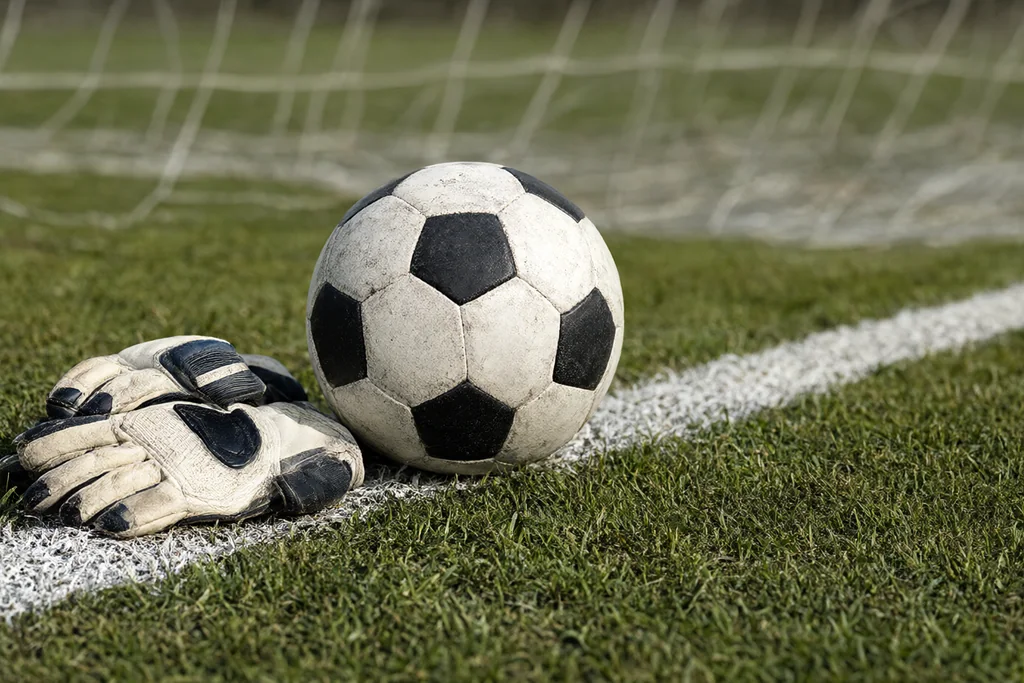
The eight-second goalkeeper rule is the clearest example of how IFAB now writes law: a simple count, a visible signal and a punishment that actually costs something. It arrived with the 2025/26 edition of the Laws of the Game and is a settled part of the lawbook rather than a novelty. A goalkeeper has eight seconds to release the ball from the hands, and the sanction for over-holding is a corner kick rather than an indirect free kick. This is how the count works in practice and what counts as holding the ball.
The logic is simple. Time-wasting by goalkeepers had grown into a genuine tactic, especially for a team protecting a narrow lead late in a match. An indirect free kick was almost never given, and even when it was, the resulting chaos was a lottery for everyone involved. A corner kick is a measurable, predictable consequence.
How the goalkeeper time limit count works in practice
The referee does not wait silently. Once the goalkeeper takes control of the ball with their hands, the referee's arm goes up and the count begins. In the final five seconds the count is visible to everyone, so the keeper knows precisely how long is left and cannot claim to have been ambushed. If the ball is released before the count runs out, nothing happens and play continues.
- The starting moment: the count begins when the goalkeeper gains control of the ball with their hands inside their own penalty area.
- The visible count: the referee raises an arm and counts the last five seconds where the keeper can see it.
- The sanction: a corner kick to the opposing team, taken from the side where the offence occurred.
- The exceptions: the law does not punish a keeper who is challenged, falls or is prevented from releasing the ball through no fault of their own.
What counts as holding the ball
Holding is a physical act. A goalkeeper who has the ball on the ground, or who has released it and is dribbling it with their feet, is not holding it in the sense Law 12 means. That distinction matters, because a keeper is perfectly entitled to play as an eleventh outfield player and pass the ball short — the count is a limit on the hands, not on possession.
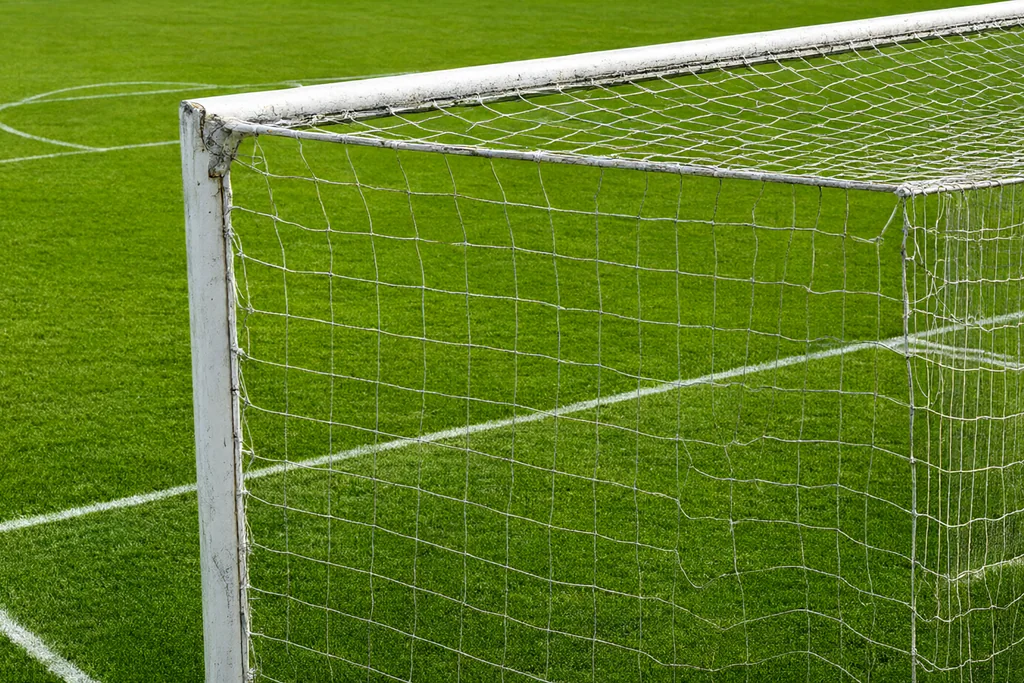
Eight second rule for goalkeepers: why a corner kick was chosen
A corner is a scoring opportunity, and that was the point. A team that deliberately slow the game down now hands their opponents an attackable set piece, which changes the cost-benefit calculation for coaches. The law also removes the referees' most awkward dilemma: nobody has to judge whether the delay was tactical or simply a keeper looking for a better option.
Since the law arrived with the 2025/26 edition it has had a second, less discussed effect. Because the count is visible and mechanical, keepers have adjusted, and the ball now leaves the hands sooner than it used to across the professional game. Referees report fewer arguments about it than almost any other recent amendment, largely because the evidence is on the keeper's own arm's-length view.
| Stage | What happens | Who decides |
|---|---|---|
| Control | Keeper takes the ball in their hands inside the penalty area | Referee identifies the moment |
| Count | Referee raises an arm and counts the final five seconds | Referee signals visually |
| Release | Ball leaves the keeper's hands before the limit | Play continues normally |
| Breach | Ball still held when the count finishes | Corner kick to the opponents |
| Dispute | Keeper was impeded or lost control without fault | Referee judges, play continues |
How it fits with the rest of the lawbook
The limit sits inside Law 12 as one of the indirect offences, but its punishment is now unique in the document. That makes it a useful illustration of how the laws evolve: the offence stays where it always was, while the consequence was rewritten in the 2025/26 edition to match what football actually rewards and punishes. For the wider structure of the lawbook, see all 17 Laws explained.
It is also worth knowing that a goal kick is a separate matter entirely, which is covered in the same law as the corner. Our round-up of the current edition of the lawbook sets the rest of the law in context, and the practical consequences of a referee managing time are visible in almost every stoppage that becomes reviewable.
How goalkeepers have adapted
The most visible change is distribution. Keepers now release the ball earlier and more often to a full-back standing short, because a quick throw to a teammate twenty metres away is both faster and safer than a long punt under a visible count. Coaches have built patterns around it, and the rushed clearance into a crowded midfield has become rarer at the top level.
Training has changed too. Clubs rehearse the count in sessions, with a coach shouting the final five seconds so the keeper learns to look up before the limit, not after it. The law rewards the keeper who already knows where the ball is going, which is a skill, not a workaround.
It also interacts with the back-pass rule, which remains one of the indirect offences in Law 12. A goalkeeper may not handle the ball when it has been deliberately kicked to them by a teammate, or thrown to them from a throw-in. Slow distribution and illegal handling are two different offences with two different punishments: a corner under the eight-second law, and an indirect free kick for handling a deliberate pass.
Eight seconds is a short window, and that is deliberate. The law was designed to be enforced, not admired, and the arm going up is now one of the most visible pieces of referee communication in the modern game.
Read next
Law 1: The Field of Play, Measured
Every match starts with a rectangle. Law 1 sets its dimensions, its lines and the marks that decide penalties and goal kicks.
2026-10-18
Law 2: The Ball, and What Makes It Legal
Circumference, weight, pressure and the dropped ball after a burst: Law 2 in the numbers the officials actually use.
2026-10-18
Law 3: How Many Players and How Many Subs
Eleven to start, seven to continue, five substitutions from three opportunities: the numbers and procedures in Law 3.
2026-10-18