
Law 16 The Goal Kick: When the Ball Is Back in Play
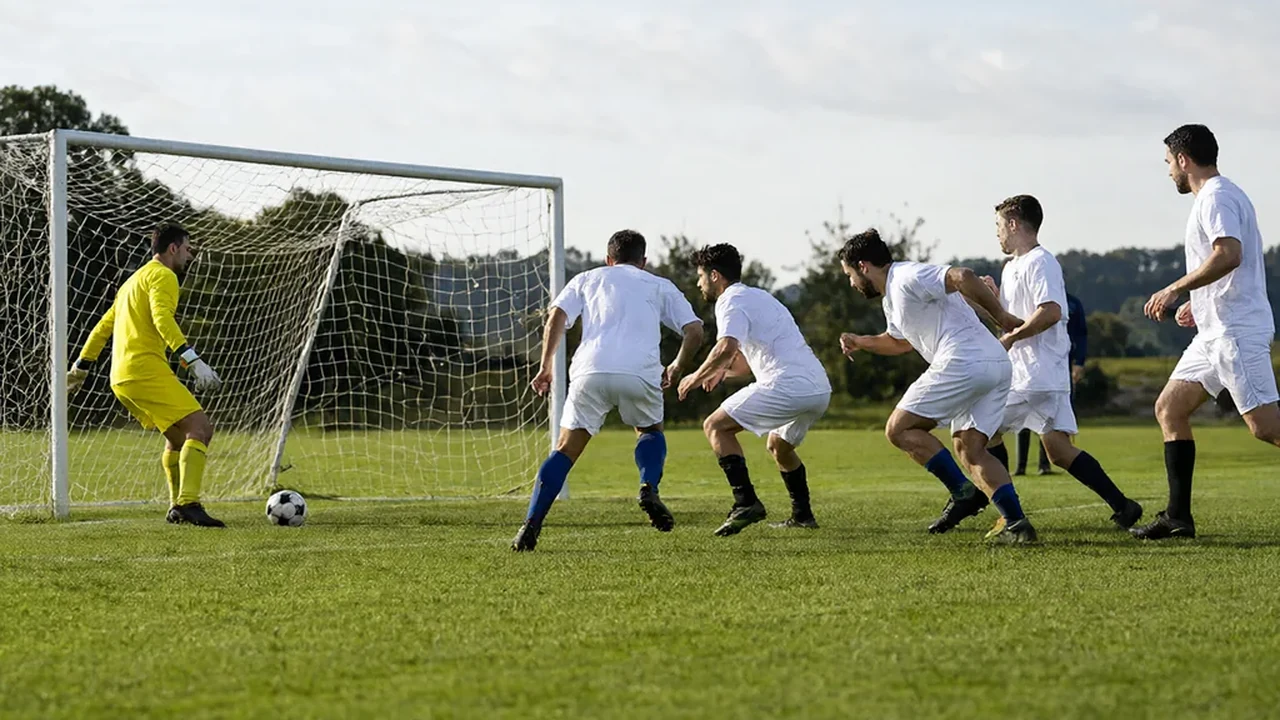
The goal kick is the restart that changed most in the last decade and the one still explained worst on television. Two things people say about it are wrong: the ball no longer has to leave the penalty area before it is in play, and there is no six-second limit on taking it. What the law actually says is shorter and more useful than either myth.
A goal kick is awarded when the whole of the ball passes over the goal line, on the ground or in the air, having last touched a player of the attacking team, and a goal is not scored. A goal may be scored directly from a goal kick, but only against the opposing team: if the ball goes directly into the kicker's own goal, a corner kick is awarded to the opponents.
Where the ball goes and when it is live
The ball must be stationary and is kicked from any point within the goal area by a player of the defending team. The goal area is the small box, 5.5 m (6 yds) from the inside of each goalpost and 5.5 m deep, so the whole of it is available and the keeper can choose the side that suits the pass.
The ball is in play when it is kicked and clearly moves. That is the whole test. It does not have to leave the penalty area, it does not have to travel forward, and a defender standing two metres away can receive it legally inside the area. Opponents, by contrast, must be outside the penalty area until the ball is in play, which is the 16.5 m (18 yds) box measured from the inside of each post.
The practical consequence for defenders
Because the ball is live inside the area, the short goal kick is a normal football pass rather than a risk. A centre back can drop to the edge of the six yard box, take the ball under no pressure from the goalkeeper, and play out. The opposition cannot press inside the area until the ball has been kicked and has clearly moved, and by then the pass has usually been made.
- The ball: stationary, on the ground, anywhere inside the goal area.
- The kicker: any player of the defending team, not only the goalkeeper.
- The moment of play: the ball is live as soon as it is kicked and clearly moves.
- The opponents: outside the penalty area until that moment.
- The second touch: the kicker may not play the ball again until someone else touches it.
No six seconds, and what replaced it
The six-second rule that generations of players grew up with applied to a goalkeeper holding the ball in their hands. It was replaced in the 2025/26 edition by an eight-second limit, with a corner kick as the sanction, and that law sits in Law 12 and Law 17 rather than here. A goal kick is not goalkeeper possession: it is a restart by the defending team, and the keeper is simply one of the players who may take it.
What the goal kick has instead, from the 2026/27 edition, is a five-second countdown. If a player is unfairly delaying the taking of a goal kick for their team, the referee whistles and signals the start of the count, counting the five seconds down with a raised hand. If the kick has not been taken by the end of it, a corner kick is awarded to the opposing team. The player is cautioned only if they then excessively delay the restart after the corner has been given.
Encroachment by the attacking team
The law is realistic about bodies in the box. If opponents are inside the penalty area when the goal kick is taken because they did not have time to leave, the referee allows play to continue. If an opponent who is in the area at the moment of the kick, or who enters it before the ball is in play, touches or challenges for the ball before it is in play, the goal kick is retaken. Where a player enters the area before the ball is in play and fouls or is fouled, the kick is retaken and the offender may be cautioned or sent off depending on the offence. For any other offence, the kick is retaken.
| Situation | Outcome |
|---|---|
| Ball is kicked and clearly moves inside the area | In play, opponents may enter the area |
| Opponent is still inside the area because there was no time to leave | Play continues |
| Opponent in the area touches or challenges before the ball is in play | Goal kick retaken |
| Opponent enters the area and fouls, or is fouled | Goal kick retaken, card possible |
| Kicker touches the ball a second time | Indirect free kick to the opponents |
| Kicker handles the ball on the second touch | Direct free kick, or a penalty kick if the kicker was not the goalkeeper |
| Ball goes directly into the opponents' goal | Goal awarded |
| Ball goes directly into the kicker's own goal | Corner kick to the opponents |
| Goal kick not taken within five seconds of the countdown | Corner kick to the opponents |
The offside exemption
There is no offside offence if a player receives the ball directly from a goal kick. That exemption is one of the three in Law 11, alongside the throw-in and the corner kick, and it is why a striker can stand on the shoulder of the last defender at a goal kick without being penalised. The exemption covers the first receive only: once the ball has been touched by another player, the offside law is live again and normal positioning applies.
That single sentence changes how teams defend the restart. A high line at a goal kick cannot rely on catching a forward offside from the kick itself, which is one of the reasons pressing from a goal kick is organised around the second ball rather than the first pass.
The mechanics of the exemption and the active play tests are set out in the offside rule explained. The corner kick that follows a botched goal kick, or a countdown that runs out, has its own law in the laws section, and the full list of seventeen laws, with the clause that matters in each one, is in the lawbook explained.
Read next
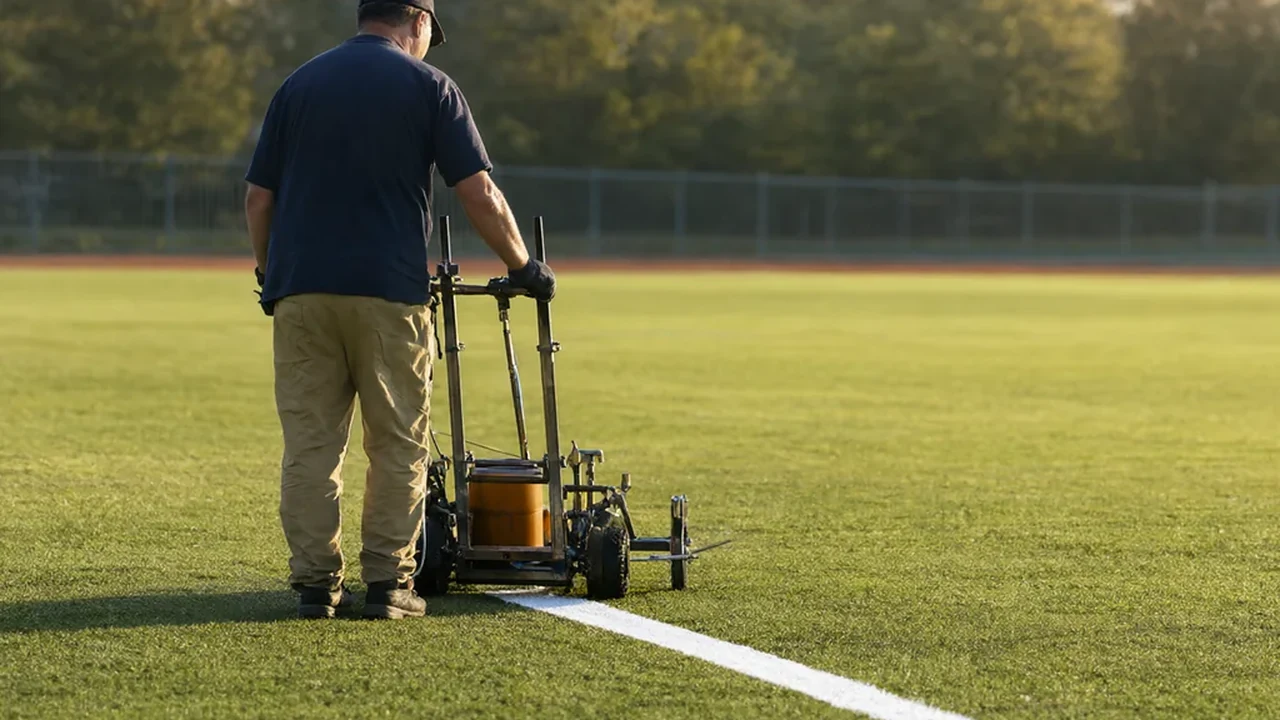
Law 1: The Field of Play, Measured
Every match starts with a rectangle. Law 1 sets its dimensions, its lines and the marks that decide penalties and goal kicks.
2026-10-18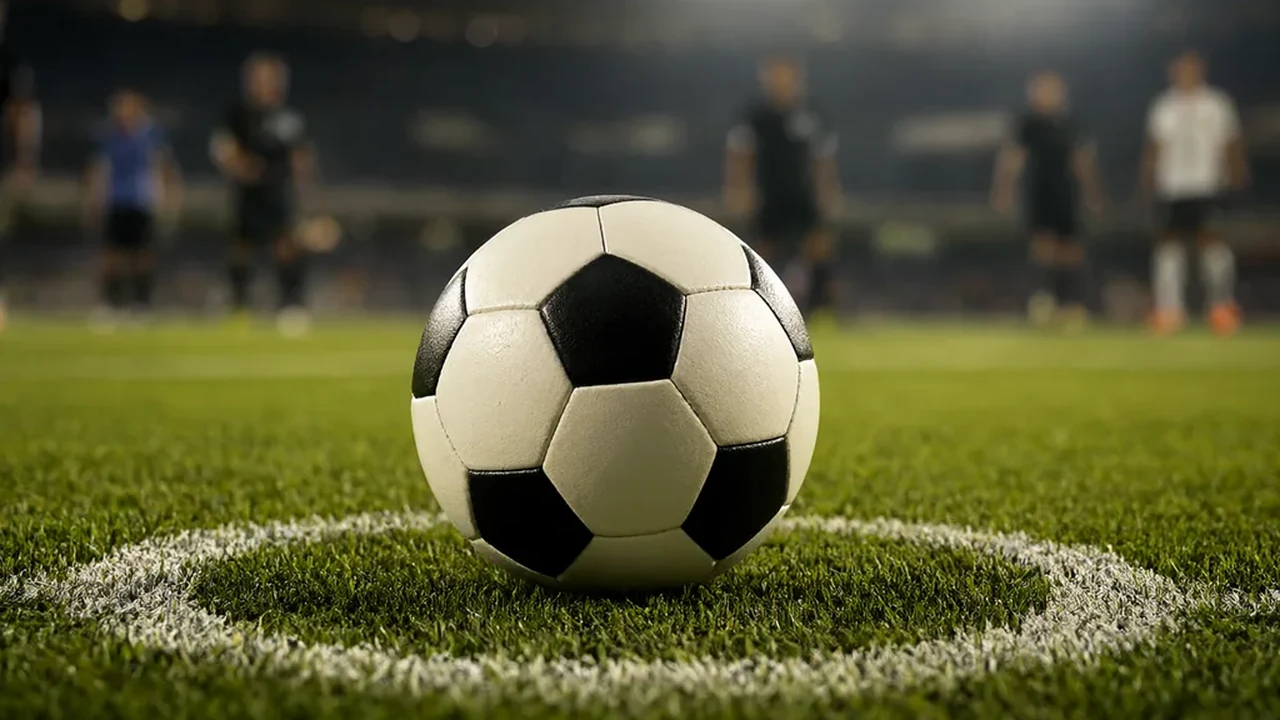
Law 2: The Ball, and What Makes It Legal
Circumference, weight, pressure and the dropped ball after a burst: Law 2 in the numbers the officials actually use.
2026-10-18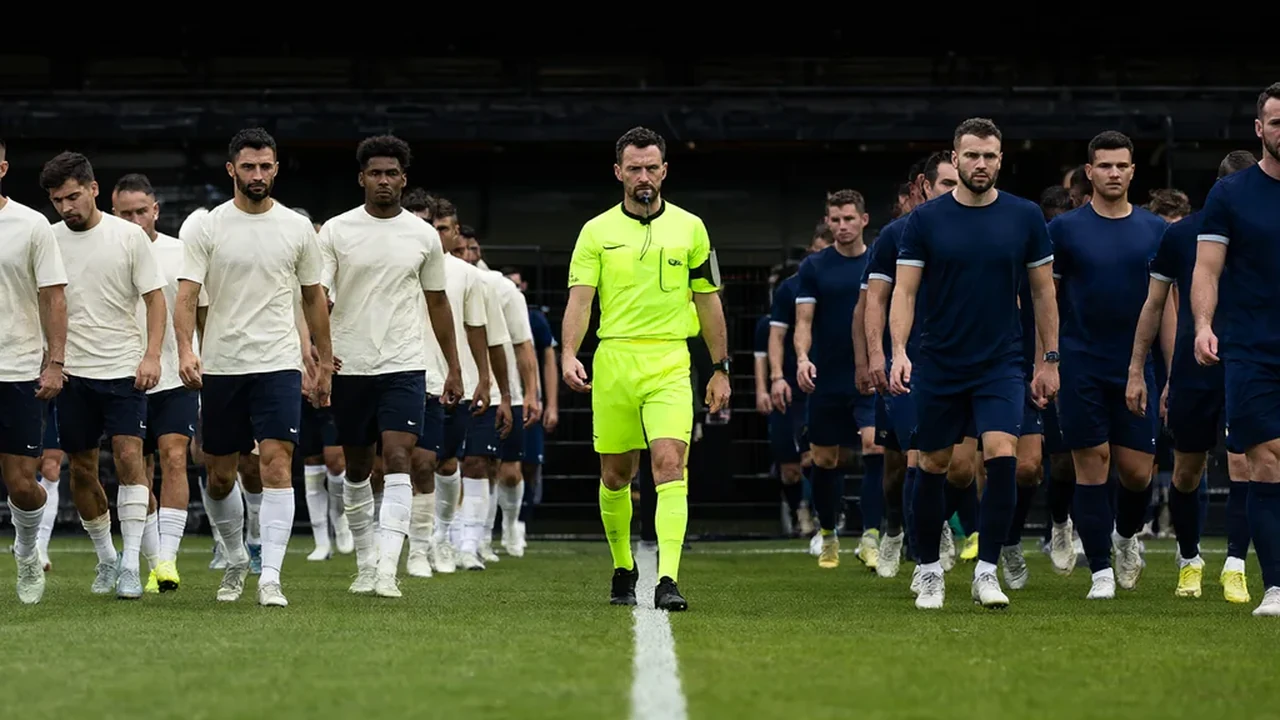
Law 3: How Many Players and How Many Subs
Eleven to start, seven to continue, five substitutions from three opportunities: the numbers and procedures in Law 3.
2026-10-18