Law 17 The Corner Kick: Arc, Delivery and Goalkeeper Contact
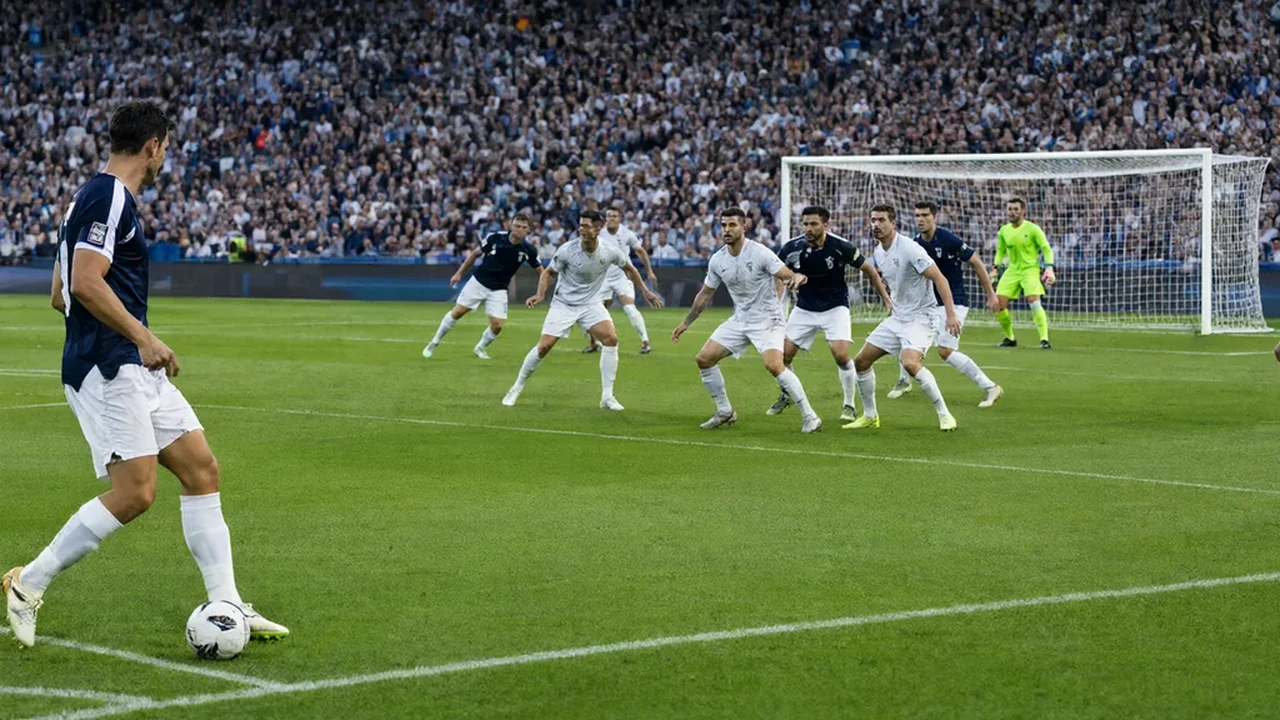
A corner kick is a restart with a small area, a fixed distance and one very old argument attached to it: how close can a defender stand, and when does the pushing start. Law 17 answers both, and it also explains why a corner is the only restart that can produce a goal without anyone else touching the ball.
A corner is awarded when the whole of the ball passes over the goal line, on the ground or in the air, having last touched a player of the defending team, and a goal is not scored. The law also awards one in two modern situations: when the referee penalises the goalkeeper for controlling the ball with the hands or arms for more than eight seconds, and when a player delays the taking of a goal kick for their team past the five-second countdown.
Where the ball goes
The ball is placed in the corner area nearest to the point where it passed over the goal line, or, where the goalkeeper has been penalised for holding the ball too long, nearest to the goalkeeper's position when the offence happened. The corner area is the quarter circle drawn inside the field of play with a radius of 1 m (1 yd) from the corner flagpost. The ball must be stationary, and the corner flagpost must not be moved to make room for the run-up.
The ball is in play when it is kicked and clearly moves. It does not have to leave the corner area, which means a short corner played to a team-mate standing a metre away is a legal restart rather than a retake.
The 9.15 m distance and the corner arc
Opponents must remain at least 9.15 m (10 yds) from the corner arc until the ball is in play. That distance is measured from the arc, not from the flag, and the law allows marks to be made off the field of play 9.15 m from the corner arc at right angles to the goal line and the touchline so that defenders and the referee have a reference point. Most professional grounds paint them, and the assistant referee uses the same line to judge the first defender's position.
Defenders are entitled to stand on the goal line between the posts, and most teams put one there. There is no offside offence from the corner kick itself, which is why that defender is protecting against a direct ball into the net rather than playing an offside trap. The same exemption is written into Law 11 for the goal kick and the throw-in, and it covers the first receive only.
- The placement: inside the quarter circle with a 1 m (1 yd) radius from the flagpost.
- The kick: the ball must be stationary and is in play when kicked and clearly moves.
- The flag: the corner flagpost must not be moved.
- The defenders: at least 9.15 m (10 yds) from the corner arc until the ball is in play.
- The second touch: the kicker may not play the ball again until another player touches it.
Can a goal be scored directly from a corner?
Yes, but only against the opposing team. A corner swung in and carried by the wind or by swerve straight into the net is a goal, and the feat even has a name in the trade. If the ball goes directly into the kicker's own goal from a corner, the outcome is another corner kick to the opponents, not an own goal.
The same logic governs the other restarts, and it is worth keeping the set in one place. A goal kick can produce a goal directly, a throw-in never can, and a free kick can only do it when the free kick is direct.
| Restart | Where the ball is placed | Opponents' distance | Goal direct? | Offside from the restart? |
|---|---|---|---|---|
| Corner kick | Inside the corner arc, 1 m radius from the flagpost | 9.15 m (10 yds) from the corner arc | Yes, against the opponents | No |
| Goal kick | Anywhere inside the goal area | Outside the penalty area | Yes, against the opponents | No |
| Throw-in | Point on the touchline where the ball left the field | 2 m (2 yds) from the point of the throw | No | No |
| Free kick | Where the offence occurred, with listed exceptions | 9.15 m (10 yds) from the ball | Only from a direct free kick | Yes |
Offences at the corner
If the kicker touches the ball again before it has touched another player, an indirect free kick is awarded to the defending team. If that second touch is a handball offence, the sanction becomes a direct free kick, or a penalty kick when it happens inside the kicker's own penalty area, unless the kicker was the goalkeeper, in which case the restart stays indirect. For any other offence the corner is retaken.
One allowance is easy to forget. If a player, while correctly taking a corner, deliberately kicks the ball at an opponent in order to play it again, but not carelessly, recklessly or with excessive force, the referee allows play to continue. It is the same principle that applies to a free kick and a throw-in: the law protects the opponent from force, not from being used as a rebound wall.
Review, and the newest addition
The 2026/27 edition added a narrow review route for corners. Competitions have the option of allowing the VAR to review a corner kick that was clearly awarded incorrectly, but only if the decision can be corrected immediately and without delaying the restart. If the corner has already been taken quickly, the decision stands. That limitation is the whole point: the law will accept a wrong corner rather than a two-minute review of one.
The eight-second sanction that now produces corners sits in Law 12 fouls and misconduct, and the mechanics of the count are part of the referee's management of the game. The offside exemption that applies to a corner is explained in the offside rule explained.
Referees are taught to read the whole sequence, not the single frame: the restart, the position of every team-mate and the moment the ball is played all describe the same decision, and that is why the law is written in this order.
Read next
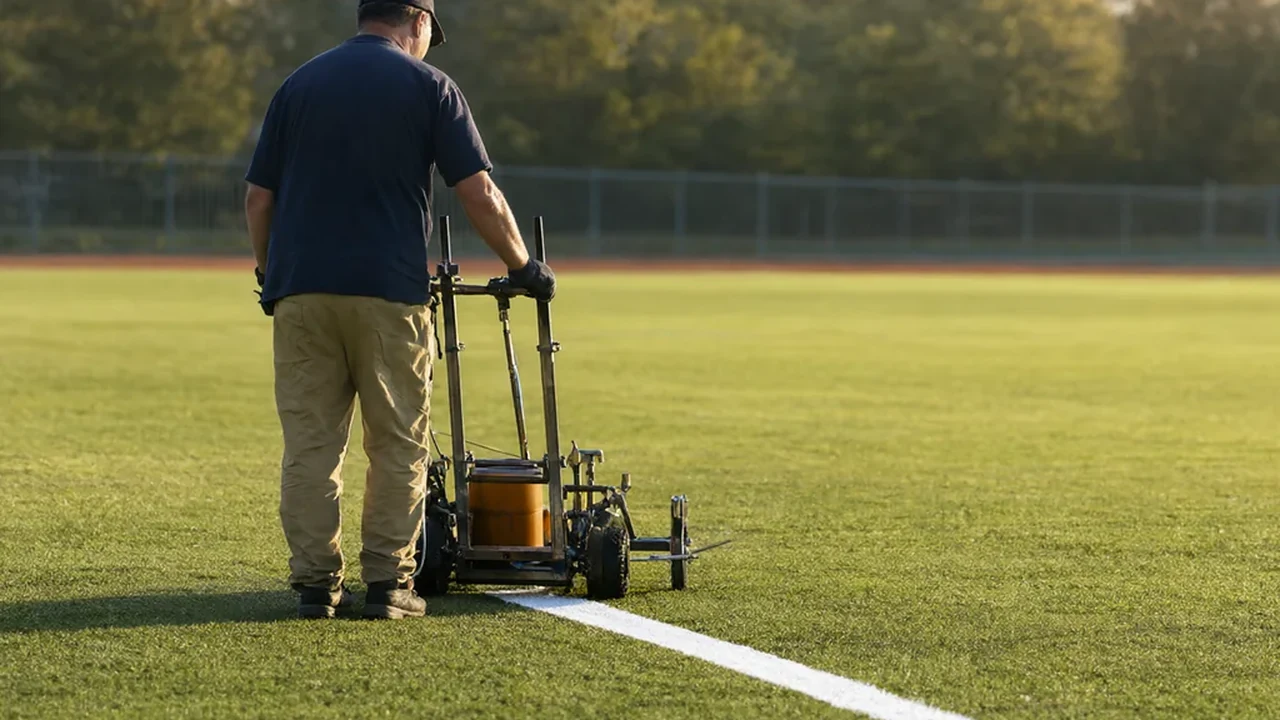
Law 1: The Field of Play, Measured
Every match starts with a rectangle. Law 1 sets its dimensions, its lines and the marks that decide penalties and goal kicks.
2026-10-18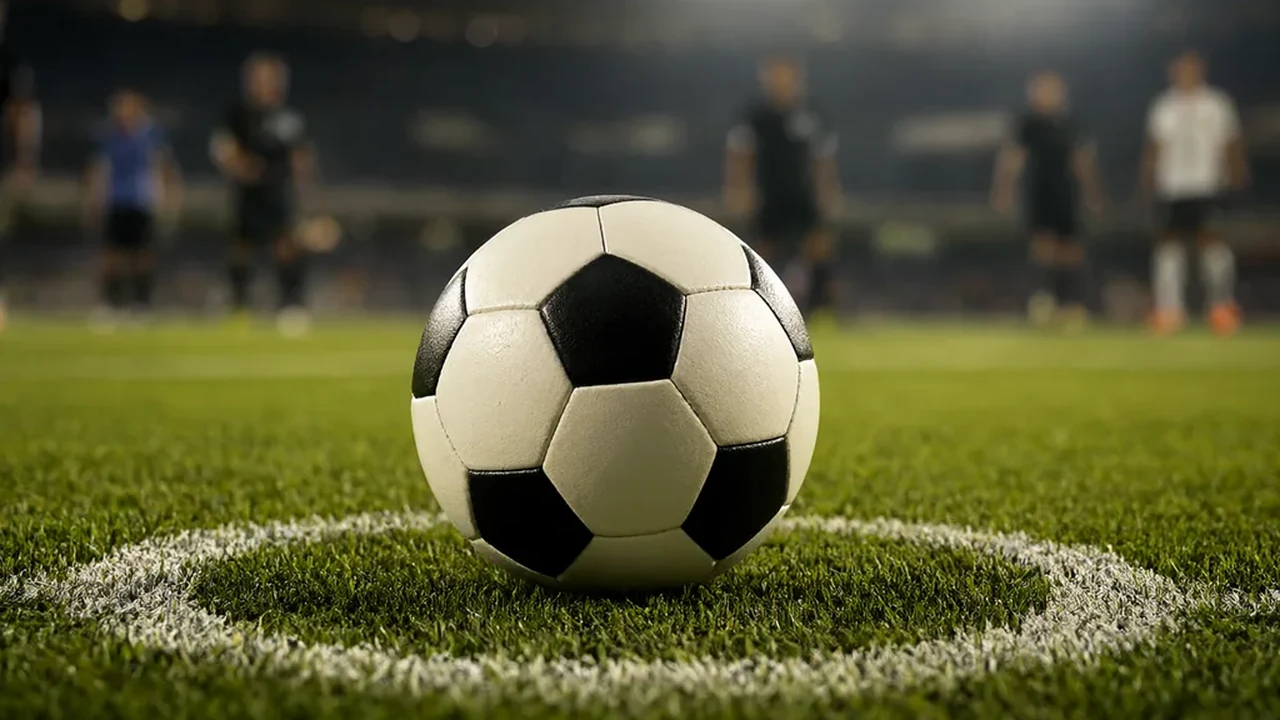
Law 2: The Ball, and What Makes It Legal
Circumference, weight, pressure and the dropped ball after a burst: Law 2 in the numbers the officials actually use.
2026-10-18
Law 3: How Many Players and How Many Subs
Eleven to start, seven to continue, five substitutions from three opportunities: the numbers and procedures in Law 3.
2026-10-18